 EN
EN

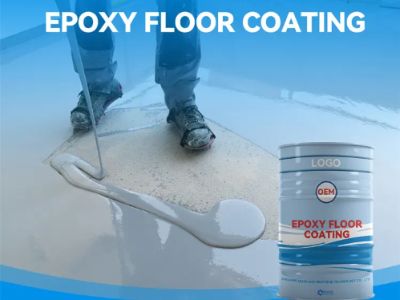
When it comes to working in wet conditions, safety is the most important thing. Slippery floors can cause accidents, making it hard for workers to do their jobs. That's why many factories and workplaces choose anti-slip epoxy floor paint. This special paint not only makes the floors look better but also helps to keep them safe, especially when water or other liquids are present. Qianlang is a brand that knows how to create high-quality anti-slip epoxy floor paint that works well in these tough conditions.
How Anti Slip Epoxy Floor Paint Prevents Slips and Falls in Wet Conditions
Anti-slip epoxy floor paint is designed to provide a strong surface that can keep people from slipping. This paint has special additives that create a rough texture. When someone walks on it, their shoes grip the surface better. This is very important in places like kitchens, factories, and warehouses where spills can happen often. Imagine a worker carrying a box and accidentally stepping on a wet spot. If the floor was smooth, they might fall. But with anti-slip epoxy paint, the rough surface helps them to stay on their feet.
Another great thing about this paint is that it can be applied to many types of surfaces, whether concrete, wood, or metal. For example, if a warehouse has a concrete floor, applying Qianlang's anti-slip epoxy paint can make that floor much safer. It can also withstand heavy machinery and foot traffic, making it a reliable choice for busy workplaces. This means fewer accidents and injuries, which is good for both workers and employers.
Moreover, this type of paint is easy to clean. In wet working conditions, spills are likely to happen. However, the anti-slip epoxy floor can be cleaned quickly and easily without losing its texture. This is important because keeping a clean workspace helps everyone stay safe.
Common Usage Issues with Anti Slip Epoxy Floor Paint and How to Avoid Them
Even though anti-slip epoxy floor paint is very effective, there can be some issues when using it. One common problem is not preparing the floor properly before applying the paint. If the surface is dirty or has cracks, the paint might not stick well. This can lead to peeling or chipping of the paint over time. To avoid this, it's essential to clean the floor thoroughly and fix any damage before starting the painting process.
Another issue is applying the paint too thickly. While it might seem like more paint would be better, it can actually cause problems. Thick layers can take too long to dry and may not cure properly. This can lead to a slippery surface instead of a safe one. Following the instructions on how to apply the paint from Qianlang is crucial. It’s always best to apply in thin, even layers to ensure the best results.
Sometimes, people choose the wrong type of anti slip epoxy floor paint for their specific needs. There are different types designed for various environments. For instance, outdoor surfaces may need a different formulation than indoor ones. Understanding the environment and choosing the right paint can help avoid issues.
Lastly, after the paint is applied, maintaining the floor is important. Regular cleaning and checks can help catch any wear and tear before it becomes a bigger problem. By understanding these common issues and how to avoid them, workplaces can enjoy the benefits of anti-slip epoxy floor paint for a long time.
How to Apply Anti-Slip Epoxy Floor Paint in Wet and Humid Conditions
Using Qianlang's anti-slip epoxy floor paint can make wet working conditions safer and more efficient. Keeping floors safe means fewer accidents, and that’s something everyone can appreciate.
When thinking about putting anti-slip epoxy floor paint in places that are often wet, like a garage or a workshop, there are some important things to keep in mind. First, you need to check the humidity in the area. Humidity is when there is a lot of moisture in the air. High humidity can make it hard for the paint to stick well to the floor. It’s best to apply the paint when the air is less humid, usually on a dry day. If you must paint on a humid day, try to use a dehumidifier or fans to help dry the air a little. This will help the paint stick better and dry faster.
Another thing to think about is the type of surface you are painting. If the floor is dirty or greasy, the paint won’t stick well. Make sure to clean the floor thoroughly before you start painting. Use a strong cleaner to remove any dirt, oil, or grease. After cleaning, let the floor dry completely. This can take a few hours, so be patient.
When you are ready to apply the paint, follow the instructions on the can carefully. Qianlang’s anti-slip epoxy floor paint is designed to handle wet conditions, but you still need to apply it correctly. Use a roller or a brush to spread the paint evenly. You might need to put on a second coat after the first one dries. This will make the floor even more durable and slip-resistant.
Finally, remember to let the paint cure completely. Curing is when the paint hardens and becomes strong. This can take a few days, so keep people and vehicles off the floor until it is fully cured. By following these steps, your anti-slip epoxy floor paint will work well in humid and wet conditions.
How to Find Reliable Suppliers of Anti-Slip Epoxy Floor Paint
Finding good suppliers for anti-slip epoxy floor paint is important if you want to make sure you get high-quality products. Qianlang is a great choice because we provide reliable and durable paint that works well in wet areas. You can look online for reviews and ratings of different suppliers to find the best one.
When you find a supplier, check if they offer different colors and types of industrial epoxy floor paint. This way, you can choose what fits your needs and style. Make sure the supplier has a good reputation. You want to buy from someone who is known for quality and customer service.
You can also visit local hardware stores to see if they carry Qianlang products. Talking to store staff can help you learn more about the paint and how to use it. It’s good to ask questions, especially about how the paint works in wet conditions.
Don’t forget to check if the supplier offers support after you buy the paint. Sometimes, you might have questions about the application or maintenance. A good supplier will be happy to help you even after your purchase. This can make a big difference in your experience.
By taking the time to find reliable suppliers, you can ensure that you get the best anti-slip epoxy floor paint for your needs.
How to Maintain Water-Based Epoxy Floor Paint for Long-Lasting Performance
Once you have applied your water based epoxy floor paint, it’s important to think about how to take care of it so it lasts a long time. Proper maintenance will keep your floors looking good and safe. First, make sure to clean the floor regularly. Dirt and grime can build up and make the surface slippery. Use a broom or a vacuum to remove dust and debris. Then, wash the floor with a mild soap and water solution. Avoid using harsh chemicals, as they can damage the paint.
If you notice any scratches or chips in the paint, it’s important to fix them right away. You can touch up these areas with a little bit of the same Qianlang paint. This will help keep the anti-slip surface intact and prevent further damage.
Another thing to consider is to avoid dragging heavy objects across the floor. This can scratch the surface and reduce its slip-resistant quality. Instead, use furniture pads or wheels to move items without damaging the paint.
If your floor gets wet often, try to dry it as quickly as possible. Water can cause slippery spots, so using a mop or towel to soak up spills will help keep everyone safe.
Lastly, think about reapplying a new coat of anti-slip epoxy floor paint every few years. This will refresh the surface and make sure it stays strong and effective. By following these care tips, your Qianlang anti-slip epoxy floor paint will stay beautiful and functional for a long time, even in wet working conditions.
Table of Contents
- How Anti Slip Epoxy Floor Paint Prevents Slips and Falls in Wet Conditions
- Common Usage Issues with Anti Slip Epoxy Floor Paint and How to Avoid Them
- How to Apply Anti-Slip Epoxy Floor Paint in Wet and Humid Conditions
- How to Find Reliable Suppliers of Anti-Slip Epoxy Floor Paint
- How to Maintain Water-Based Epoxy Floor Paint for Long-Lasting Performance